If only it was just a muscle disease
Duchenne. It’s a bitch. And today my complaints are not because I have 2 kids that can’t walk, 5 wheelchairs in my house, an elevator in the middle of my house, a commode in my living room, a rolling cart of medical devices, etc.
Today it’s about the behavioral complexities that come with Duchenne. I don’t want to speak for my kids but I can imagine that living a life with a disease that slowly takes away your ability to move and independence must be hard. But what is rarely talked about is all the behavior things that come with this muscle disease. And we experience it first hand, day after day, minute after minute, two times over.
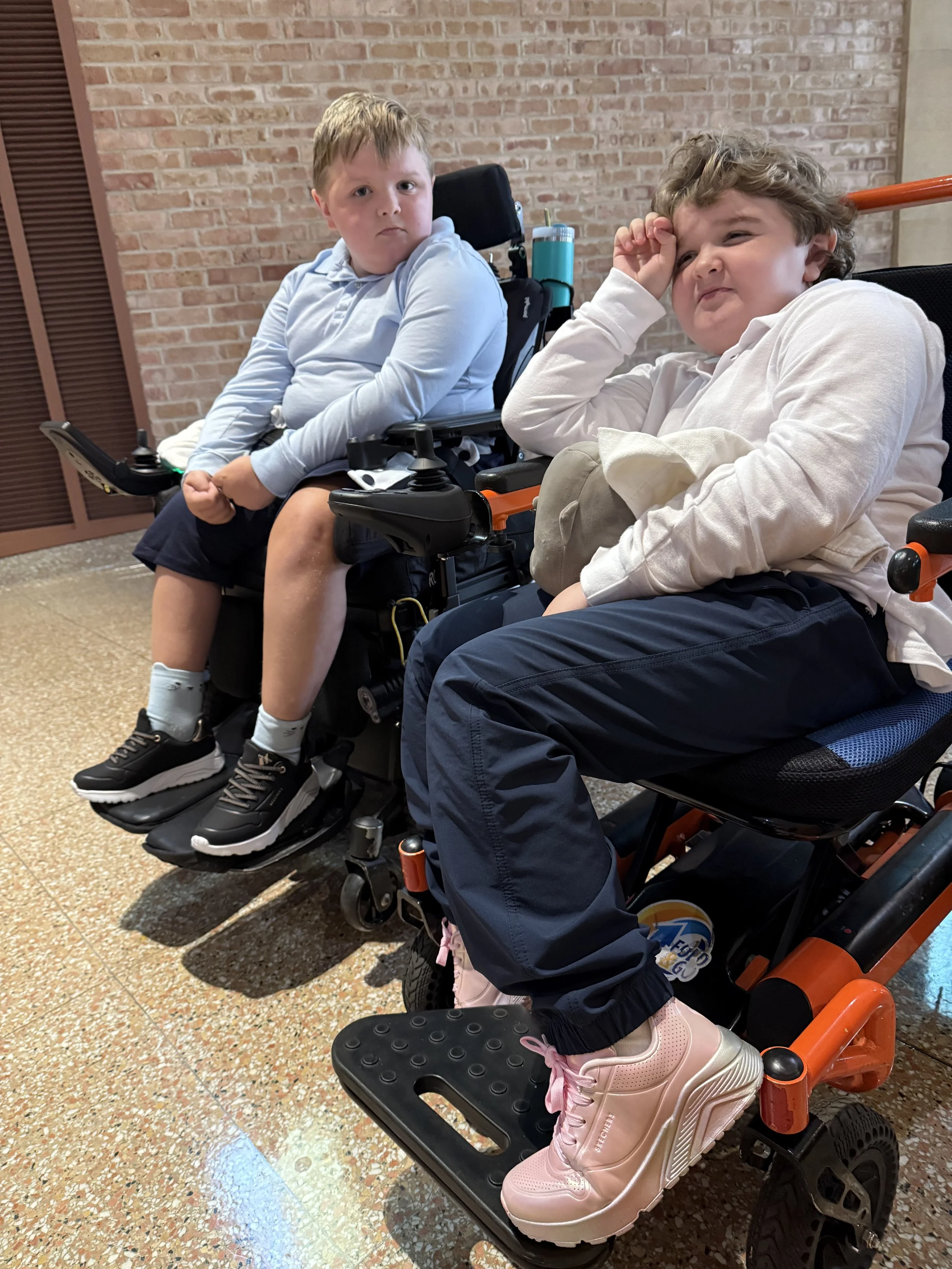
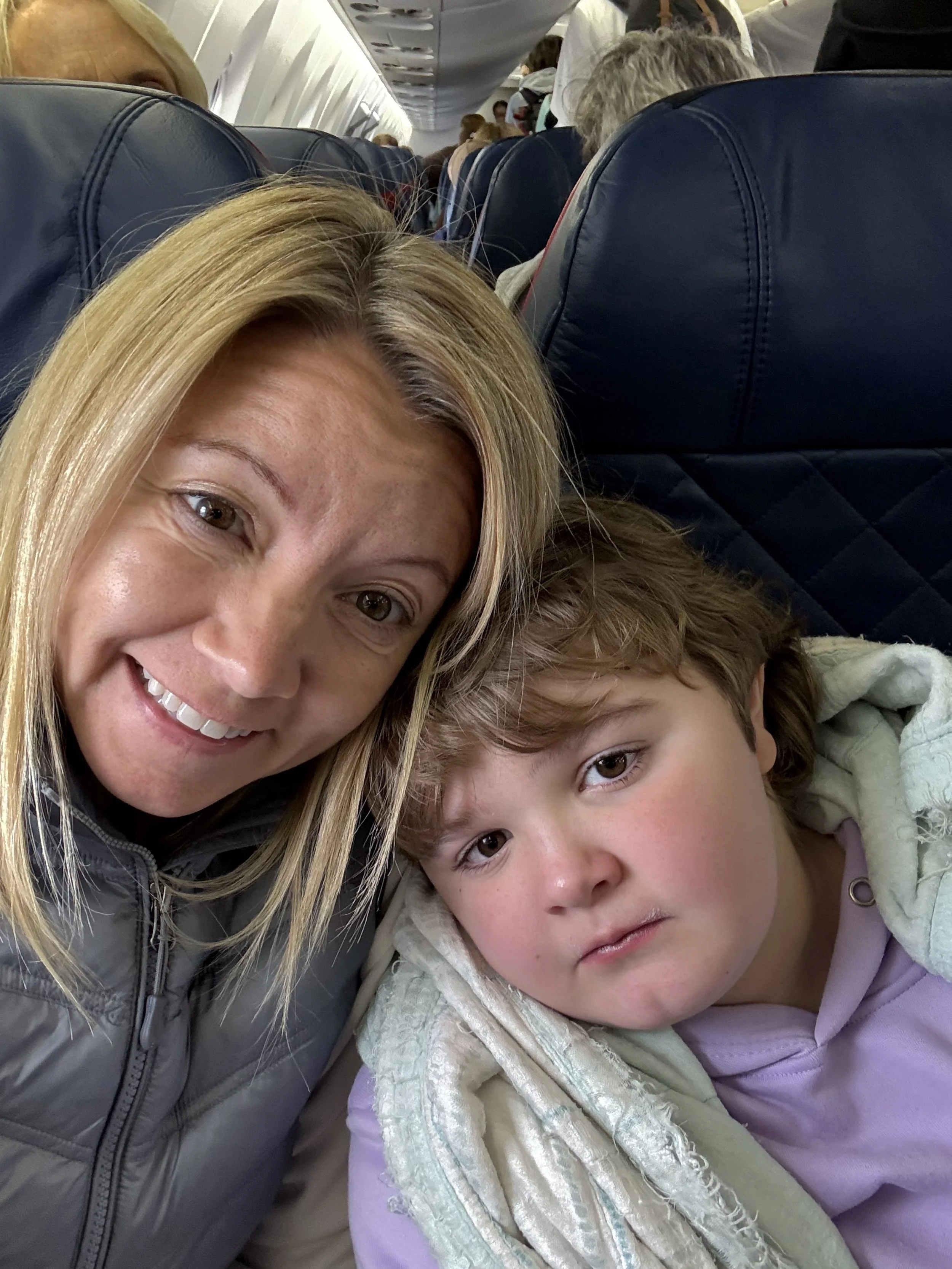
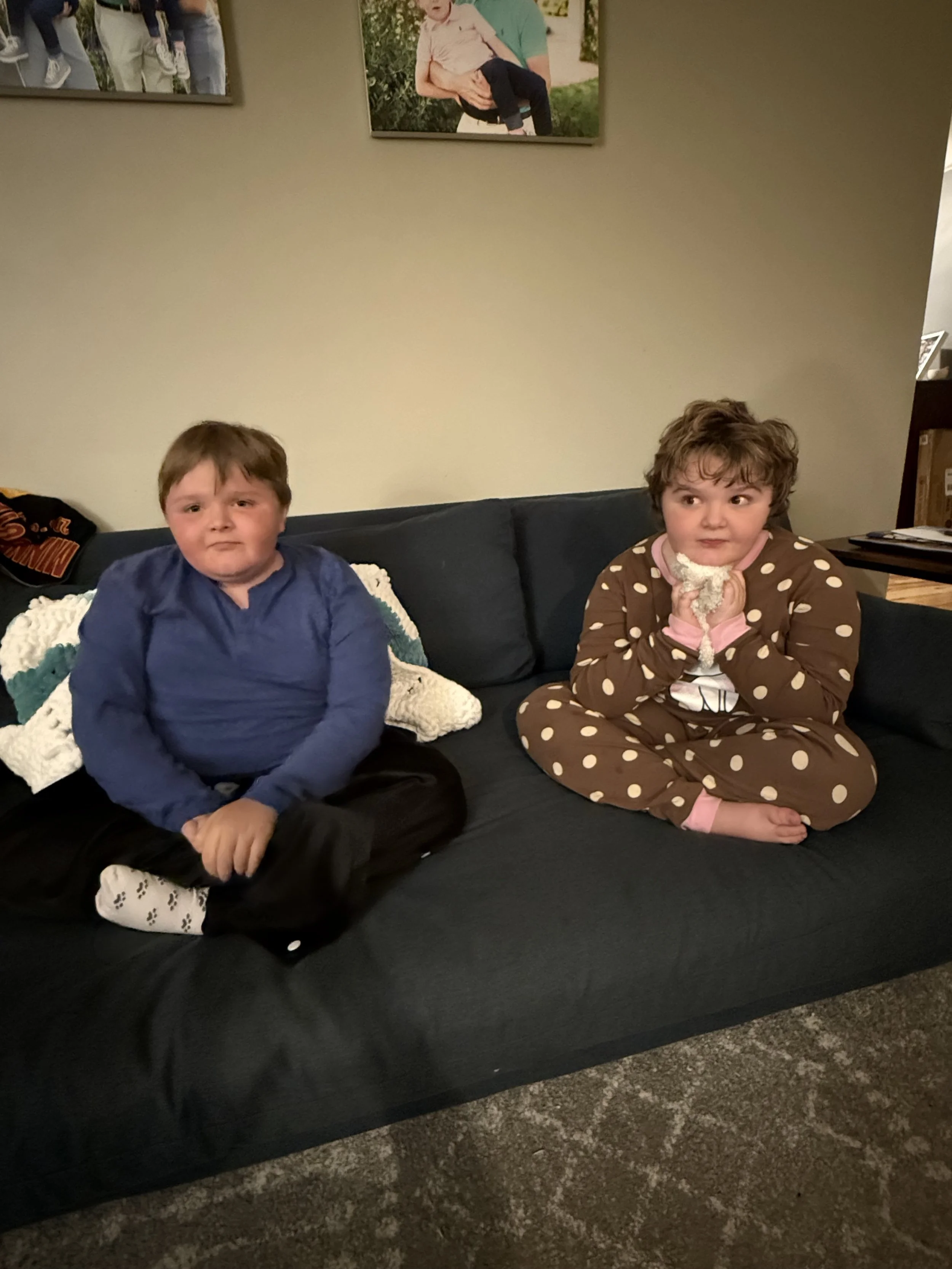
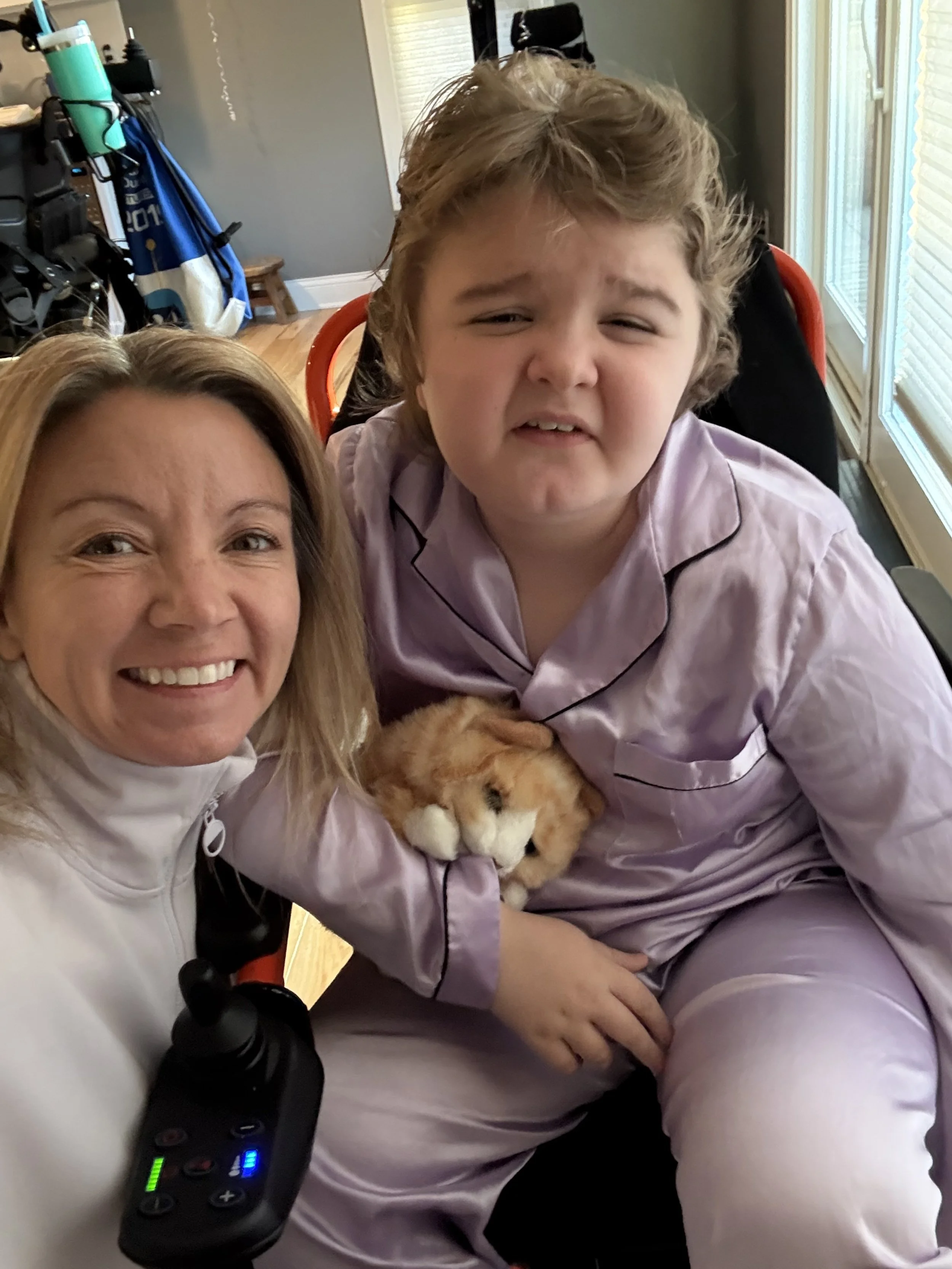
Duchenne has always been tagged as a muscle disease, but we have amazing people in this field doing incredible work on how the lack of dystrophin also affects the brain. We continue to learn but what we know is that behavioral involvement varies. It depends on the kiddo, it depends on the mutation, it depends on the environment, and it depends on the medicine they are on. But many kids with Duchenne struggle with behavioral issues, and mine are no exception.
For anyone that has been on steroids themselves or had a kid on steroids, that alone can cause behavioral changes. You typically can’t wait to be able to stop them to revert back to normal. Well we don’t get that choice because steroids is one of the only medicines that Duchenne kids are on for the majority of their life due to the anti-inflammatory benefits. In addition to that, the lack of dystrophin in the brain has also been found to create behavioral issues. It’s a double whammy.
So what do we do? We sometimes laugh, we sometimes cry, we sometimes scream, we sometimes pray and we sometimes swear. But we also lean into our Duchenne community. We use them to vent, to share stories and to not feel so alone. But we also use them to help us strategize on meds and tactics to help with these issues. We also rely on psychiatrists, psychologists and social workers in various ways.
What does this look like? Many kids, including my own, show characteristics of ADHD, autism, OCD and anxiety, even if they aren’t officially diagnosed. It’s extremely challenging to know what course to take to help them manage because of the complexities of Duchenne. I used to always want to try natural strategies before medications because they already have so many meds in their bodies, but my tune has changed as the disease got harder. Now I try the meds and just stop them if they don’t prove to be beneficial.
What does this look like for our family? They both struggle with anxiety, but it plays out completely different for them. Caleb’s anxiety typically results in sadness. He will worry about something and just cry and cry. He has difficulty explaining why he is sad, but the tears can last so long it will make your heart break. It’s not typically in public and it usually comes out at night where it often disrupts his ability to sleep. While we have been recommended to seek therapy for Caleb many times, we haven’t given the amount of medical appts he already has. Another weekly appointment felt difficult, but we were advised to see about using the school counselor to fill this void. We are lucky at Our Lady of Peace (OLP) to have this service. We set this up over the summer for Caleb to start when the school year started and then our amazing school counselor, lost her child (8-year-old Fletcher) in the Annunciation school shooting. We’ve been praying for Mrs. Mollie since that day and we are excited to report that Mrs. Mollie has recently returned to OLP. There is another counselor that has been filling the gaps while Mrs. Mollie was out and we are grateful for her. Caleb has started to build a relationship with her and will continue to see her in the near term. I’m happy Caleb is learning the skills of talking to someone about the hardships of life at an early age. I did not grow up in an environment where therapy was the norm, but our world has come so far, and it is so needed at what seems like an earlier and earlier age.
Dunky, on the other hand, has anxiety that results in madness, or one might call it craziness, I use that term in jest. He will scream, he will swear, he will destroy things, he will bite things (not people), and he will throw things. And unfortunately, he does not care where he is. It happens at home, it happens while out to dinner, it happens at the library, and it USED to happen at school.
I’m so proud of Dunky. With the help of his aide, teachers, special ed teachers, strategies, meds, and understanding triggers, we have minimized his outbreaks at school. These used to be frequent, like very frequent, where we would cringe at a text or email because we always thought it would be about Dunky’s behavior. We would have nightly conversations about what he could do instead of his disruptive behavior. My favorite one he came up with was to destroy a bag of chips. You have to admit, that would be quite satisfying. But we have turned a corner. We better understand his triggers and have helped him recognize them in advance and either remove the trigger or talk through a strategy. His triggers are varied, some I get and some are totally off the wall. For example, games have always been a trigger. He hates losing, and while most people hate losing, this results in him completely losing his marbles. But some other odd triggers are stickers, words, QR codes, specific colors. He is still bothered by those, but instead of completely freaking out, he might reposition himself to not see the QR code or might advocate for himself to ask for a pink piece of paper, if he was given a green piece of paper. Instead of 3x/week, they are 1x/month. And I’m so grateful because those apology notes were starting to feel like homework without meaning. Now we write them together and he feels remorseful.
I mentioned our Duchenne community that helps us through that. Almost daily there is a parent asking for help in our social media groups about behavior. We don’t always have the answers, but we always jump in to say, we understand. I used to get jealous of the sweet kids that had none of these issues, but instead I have embraced who my kids are and find joy in watching them grow and learn how to deal with their emotions and behavioral issues. I’ll never forget my friend telling me she’s at the end of her rope because her kid threw an open bottle full of blue Gatorade from the back of the car to the front seat, leaving them soaked. I mean how do you not laugh at the picture of that? But also, that sucks, and I can totally relate. I have too many stories to share but a few good ones from Dunky:
We had people bringing Dunky’s new wheelchair to the house. It is the cream of the crop powerchair that he needs and actually loves, but refuses to use because he thinks people will stare at him. They were wanting him to test it out but instead he screamed, “I’m not doing it you f***ing a**holes.”
Power Wheelchairs
Another time I was traveling with Dunky and we happened to be in first class. He was playing a game on his iPad and must have lost because the next thing that came out was “Suck d*ck”. I shriveled. This behavior may deter some from traveling but I refuse to let it stop us from living like we would otherwise. You just hope people got a little chuckle and moved on with their day.
Let me disclaim while an occasional swear word from us might get out at home, we do not use language or phrases like this!
All of this to say, Duchenne is more than a muscle disease. So if you see us struggling, or a family struggling, you may not know the full story. As we have learned through OLP, give grace, not grief. Carry on and just know most people are doing the best they can do.